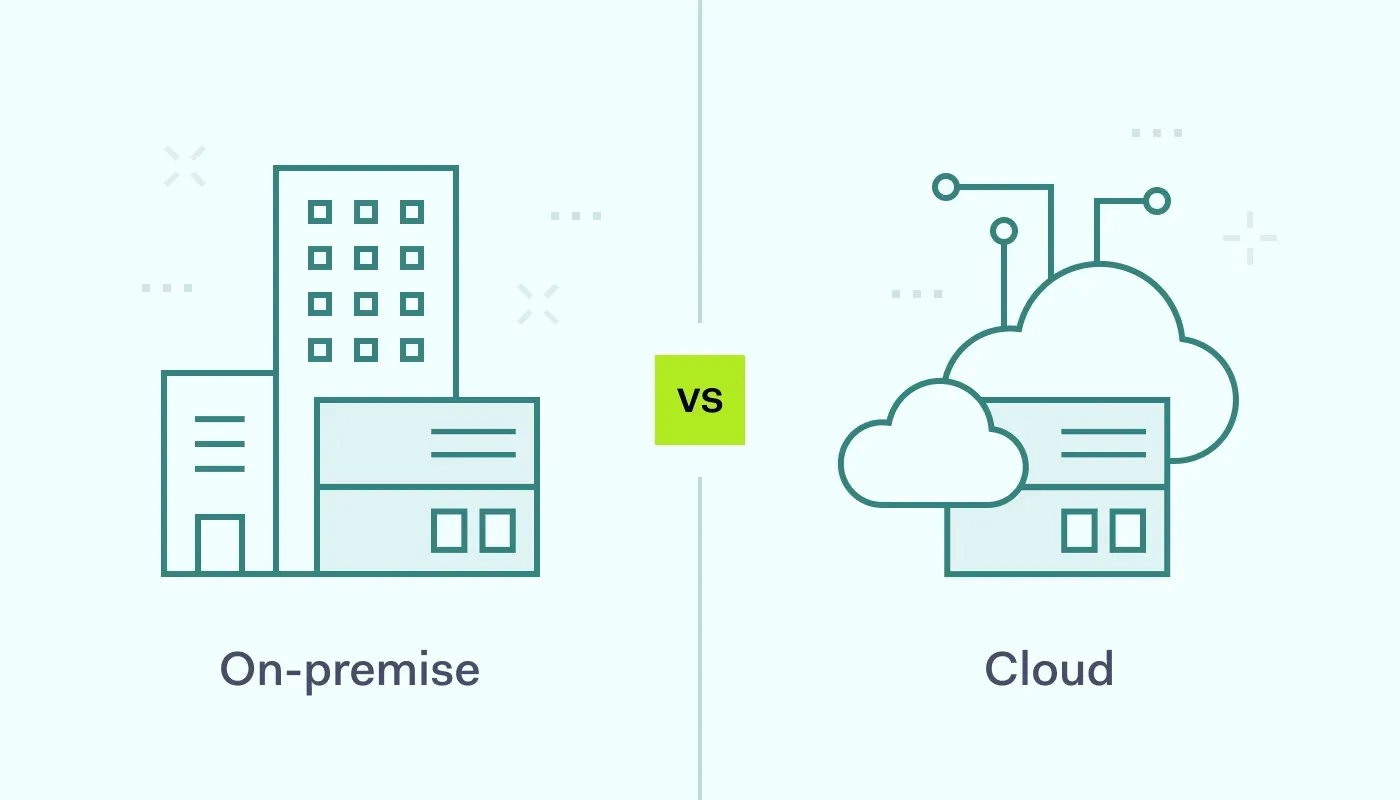
In the early stages, most businesses rely on off-the-shelf applications to support their startup operations. As organizations grow and become more established, they begin investing in custom software development to meet expanding business requirements. Over time, these systems are added piece by piece, eventually creating a complex and difficult-to-manage IT infrastructure with limited uptime and a rapidly growing on-premises data center.
Maintaining this type of environment often results in higher operational costs, performance limitations, and increased security risks. These challenges can be eliminated by moving business applications to a cloud-based platform instead of hosting everything in-house.
Microsoft Azure offers a flexible, scalable, and secure cloud environment that enhances business application development and deployment across multiple areas.
Key Advantages of Hosting Applications on Microsoft Azure
Expand Business Mobility
Modern employees work remotely, travel frequently, and use laptops and mobile devices as part of their daily workflow. Maintaining secure access to business applications across multiple locations can be challenging with traditional on-premises systems.
Microsoft Azure is built with an anytime, anywhere access model that allows employees to securely connect to applications from any location. This improved mobility enables teams to remain productive while maintaining strong security controls. Increased accessibility also leads to higher employee satisfaction and improved operational efficiency.
Reduce Overall IT Expenses
On-premises business applications generate far more expenses than just hardware purchases and software licenses. Additional costs include:
-
IT staff required to maintain servers and applications
-
Power and cooling for data centers
-
Physical security for server rooms
-
Ongoing hardware replacement and upgrades
These factors significantly increase the total cost of ownership (TCO).
With Microsoft Azure, Microsoft manages the hardware, software updates, maintenance, and data center operations. Organizations only pay for the resources they use, which often results in substantial cost savings compared to running and maintaining in-house infrastructure.
Improve Data Integration and Accessibility
Business data plays a critical role in decision-making, strategy planning, and sales operations. However, data is often fragmented across multiple applications and systems.
Microsoft Azure provides built-in tools that allow businesses to integrate and centralize their data across applications. Organizations using Microsoft cloud services such as Microsoft 365 benefit from seamless data access and synchronization. Azure also supports hybrid environments by integrating with on-premises servers and third-party applications, allowing businesses to connect systems in a user-friendly and efficient way.
Access Advanced Developer Tools
Microsoft Azure includes a wide range of developer tools designed to streamline application development and deployment. The Azure SDK integrates directly with Visual Studio, helping developers work within familiar environments and reducing training time.
Developers can build applications using multiple programming languages such as C++, Python, Ruby, and .NET. Azure also provides staging environments that allow teams to test applications before deployment. This helps identify potential issues that may not appear in local development environments and ensures stable production releases.
Scale with Business Growth
Rapid business growth can strain traditional on-premises infrastructure. Marketing campaigns or sudden increases in customer demand can overwhelm application servers, resulting in slow performance or system downtime. Deploying new servers requires time and significant financial investment.
Microsoft Azure offers on-demand scalability that grows with your business needs. Its auto-scaling features automatically adjust resources based on traffic and workload levels. This ensures applications remain available during peak usage without requiring costly hardware upgrades or manual intervention.
Strengthen Security Posture
Security is a major concern for businesses of all sizes. Limited IT budgets often force organizations to compromise on enterprise-level security measures. Meanwhile, cyber threats and data breaches continue to increase globally.
Microsoft Azure provides multiple layers of security, including advanced threat detection, network protection, encryption, and continuous monitoring. Microsoft invests heavily in state-of-the-art security infrastructure and compliance standards. For businesses lacking enterprise-grade security solutions, migrating to Azure represents a significant improvement in overall security protection.
Enhance Business Continuity and Disaster Recovery
Business continuity planning must account for all possible disruptions, including fires, natural disasters, and hardware failures. Many organizations overlook the risk of keeping backups and servers in the same physical location.
Microsoft Azure supports business continuity through:
-
Geographically distributed data centers
-
Redundant backups
-
Automatic failover
-
Proactive monitoring and issue resolution
Even if a physical office location is affected by a disaster, applications hosted in Azure can continue running with minimal downtime, ensuring uninterrupted business operations.
Availability of Cloud Expertise
Migrating business applications from on-premises environments to Microsoft Azure requires specialized knowledge and experience. Many organizations lack in-house resources with cloud migration expertise.
Because Azure is widely adopted worldwide, businesses can access experienced cloud professionals who specialize in Azure migrations. Partnering with a certified cloud service provider ensures that the transition is completed securely, efficiently, and without disruption to business operations.
An experienced migration partner can help protect critical data, minimize downtime, and ensure that applications are optimized for the Azure environment from day one.
Is Microsoft Azure Right for Your Business?
If your organization is struggling with infrastructure limitations, rising IT costs, or security concerns, Microsoft Azure offers a powerful alternative to traditional on-premises hosting.
By migrating applications to Azure, businesses gain improved mobility, reduced expenses, stronger security, scalable performance, and enhanced disaster recovery capabilities.
Still unsure whether Microsoft Azure is the right choice for your organization? Learn more about Azure migration services or contact Micro Cloud IT Solutions today to discuss your cloud strategy and discover how Azure can transform your business operations.